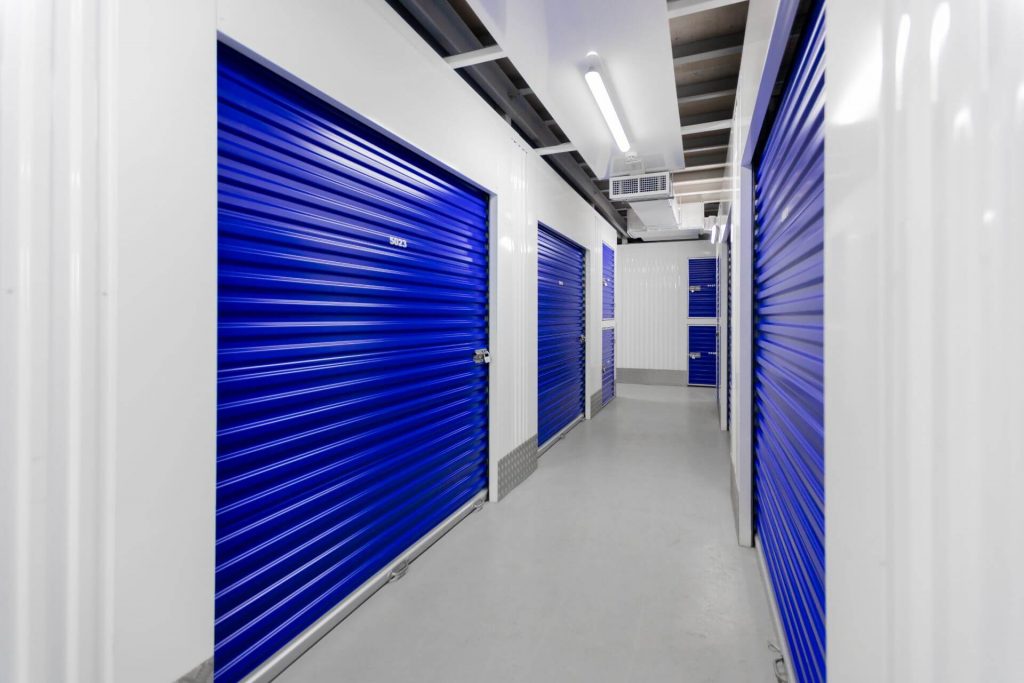
Finding a storage unit should be simple. But some companies make square footage confusing. They measure outer walls, include hallways, or count space you cannot use. This leaves you with less room than expected. A true square footage calculation is clear and fair. It matches the actual space you rent. So how do honest storage businesses do it?
Let’s go through a straightforward method used by a trusted provider like Selfstore Dubai.
Basic floor measurements:
Companies begin by measuring the length and width of the floor area. This provides the primary square footage. They use standard tape measures to get exact numbers from one wall to the opposite side. This simple math creates the base price for most units. It is the most common way to describe how much room is available for boxes.
Wall thickness facts:
Honest businesses only count the usable space inside the unit. They do not include the thickness of the metal walls or the frame in the final total. You get a number that reflects where items can actually sit. This ensures that every inch paid for is space that holds belongings. It keeps the pricing fair for every renter.
Ceiling height details:
While square footage covers the floor, height adds a new dimension. Companies share the distance from the floor to the roof to show the total volume. High ceilings allow for stacking items safely to maximize the area. Knowing the height helps in planning how to stack furniture or large crates. It provides a complete picture of the storage potential.
Door clearance paths:
The entry point matters as much as the inside area. Honest providers explain if the door takes up any internal swing space. They measure the opening to ensure large goods fit through without trouble. This helps avoid surprises on moving day when items arrive at the facility. Clear dimensions for the door make the process much smoother.
Structural pole locations:
Some large units have support beams or poles inside the space. Good companies point these out and subtract that area from the total square footage. They provide a layout that shows exactly where these obstacles sit. This honesty prevents customers from paying for space they cannot use. It allows for better planning when organizing heavy equipment or wide sofas.